
Automation Control
Reduce equipment connectivity complexity and speed up automation build-out and expansion
The power to connect diverse equipment, the foundation for expanding factory automation
In a factory, equipment from different generations and manufacturers works together, from in-process tasks to material transport. But if new connection methods and control programs must be developed every time equipment is added, the operating burden grows as automation expands. Moreover, if hard-won data stays within individual machines, it is hard to understand the state of the whole factory or use the data for improvement.
To raise the level of automation across the factory, you need to bridge differences in communication methods and control specifications, and collect and use data and control equipment on a common standard. This lets you respond quickly to added equipment and process changes and continuously expand the automation capabilities you need.
Reduce equipment connectivity complexity and speed up automation build-out and expansion
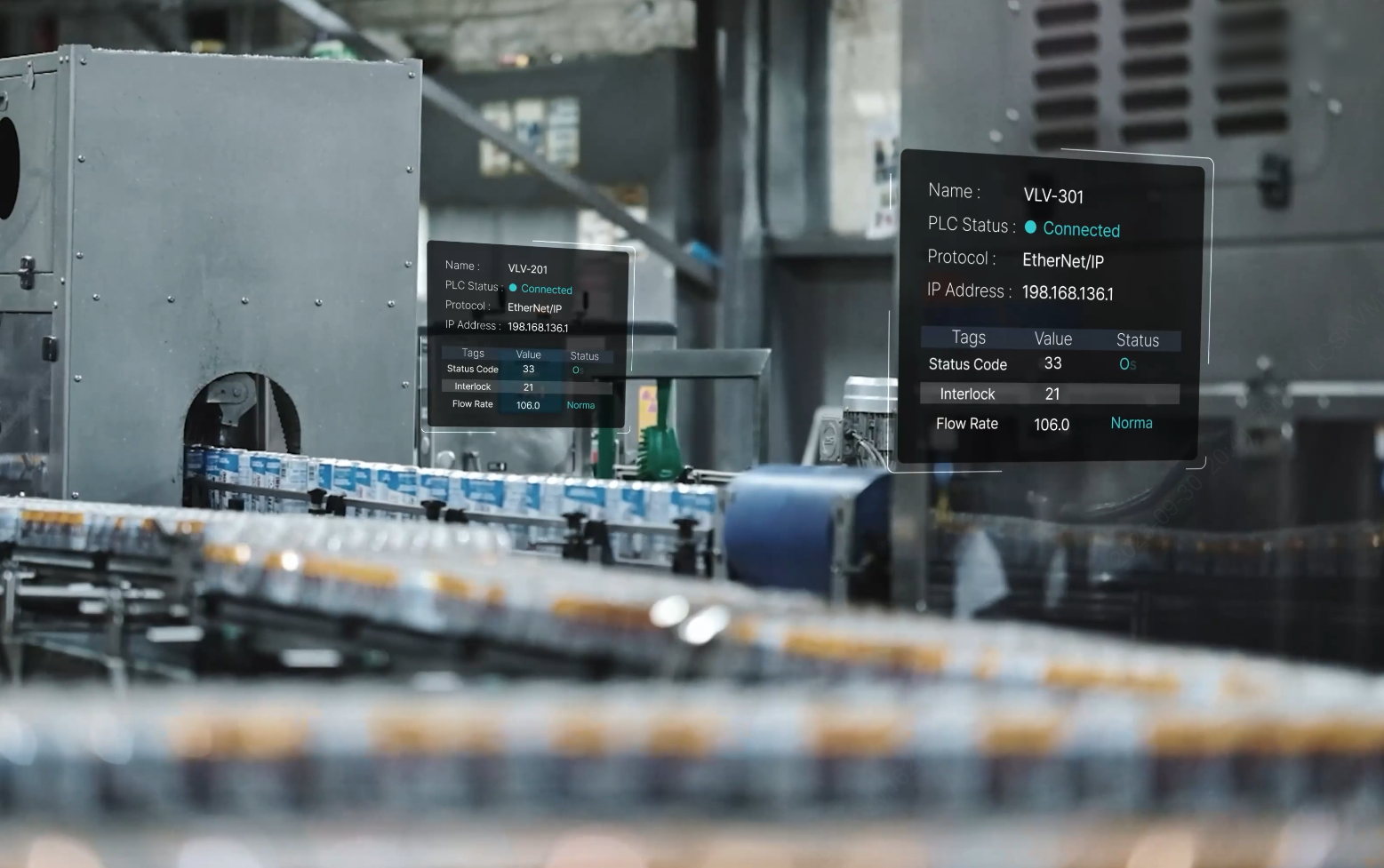
With LG CNS's Automation Control solutions, reduce the development time and maintenance burden of automation. Connect equipment from various manufacturers and standardize production and logistics control to raise the value of existing equipment while flexibly adding new equipment and functions. Use the collected equipment data for real-time monitoring and anomaly prediction, and quickly build the operating screens and applications your site needs with a low-code development environment.
Automation Control Service Offerings
What changes after adoption?
Frequently Asked Questions
Depending on the communication method of your existing equipment and whether its data is accessible, integration can use your current configuration. Factova Control supports connections to a wide range of PLCs, robots, and sensors, and CIM+ is applied after reviewing which equipment to convert to PC-based control and to what extent. Before adoption, we check each piece of equipment's interfaces and control requirements to determine any necessary changes.
You can select and adopt the solutions you need to fit your site requirements. Use TestOn for pre-verification of equipment integration, Control for data collection and control integration, CIM+ for PC-based integrated control, and MCS for automating product and material transfer. As you raise the level of automation, you can add and integrate the solutions you need step by step.