
Production Equipment
Implement automation with equipment suited to each process and support stable production.
Turning automation investment into higher productivity
Even if high-performance equipment is introduced in core processes, if product loading and unloading, inspection, and transfer between processes remain manual, output and quality depend on operator skill and speed. The benefits of automation investment appear only when the processing speed and material flow of upstream and downstream processes mesh together, not just from the performance of individual equipment. If connections between processes and operating methods are not thoroughly reviewed at the design stage, equipment specification or operation issues can surface after construction, leading to rework costs and start-up delays. It is therefore essential to define goals and operating conditions concretely and to design and build equipment precisely, reflecting pre-verification results.
Implement automation with equipment suited to each process and support stable production.
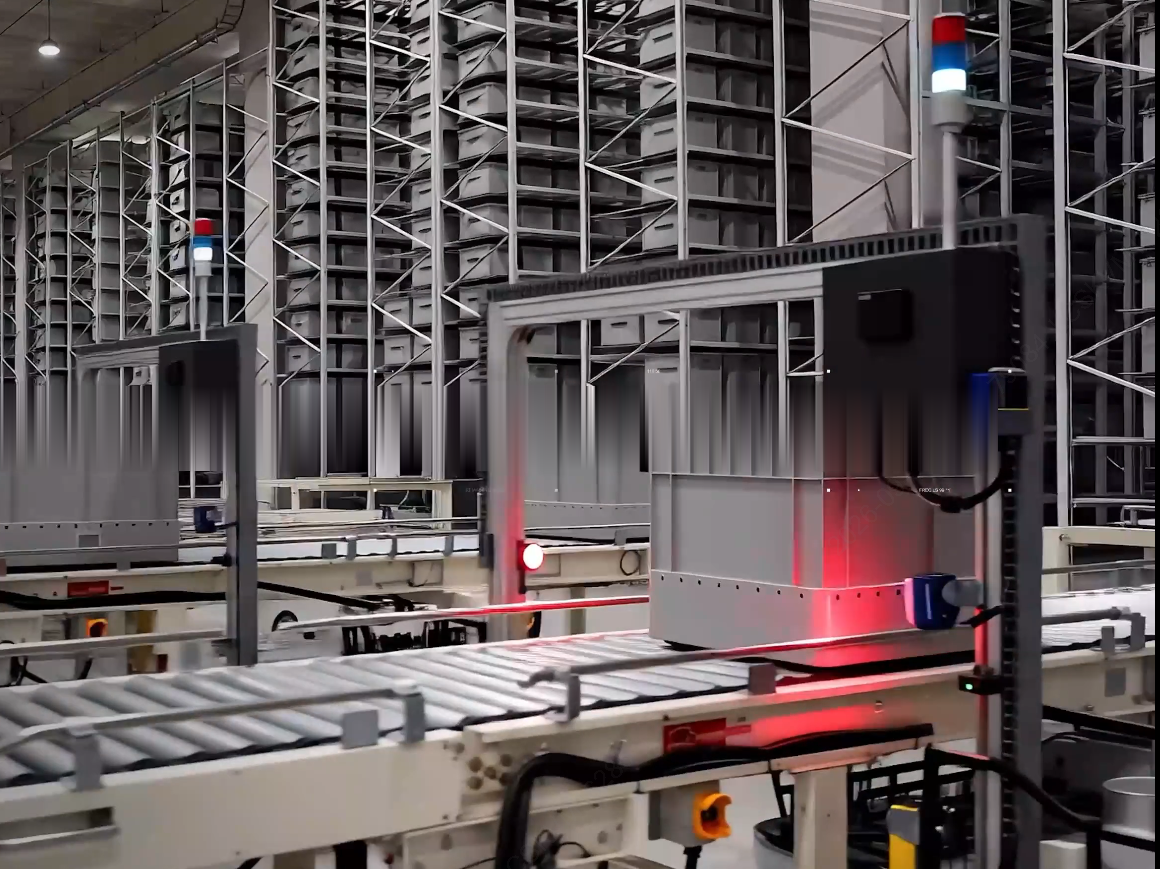
LG CNS's Production Equipment turns automation plans into production sites that are ready to run. We analyze the characteristics of the factory and processes to define equipment concepts and specifications, and verify operating scenarios, specifications, and systems before construction. We then design and build inspection, loader, and transfer equipment to automate repetitive tasks and connect the flow between processes. We also provide DC power distribution and power backup solutions that support equipment operation, helping improve power efficiency and operational stability.
Production Equipment Service Offerings
What changes after adoption?
Frequently Asked Questions
You can start with equipment concept design. We analyze your current equipment, material flow, work methods, and production goals to determine the areas to automate and their priorities. We then define equipment specifications, layout, investment, and expected benefits, and review the soundness of the plan through simulation.
Depending on the structure and interfaces of your existing process equipment and the product handling conditions, automation can be achieved by adding loaders, unloaders, or transfer equipment. We check product size and weight, alignment accuracy, target throughput speed, and equipment signals to design the mechanisms and control method, and verify integration with existing processes.