
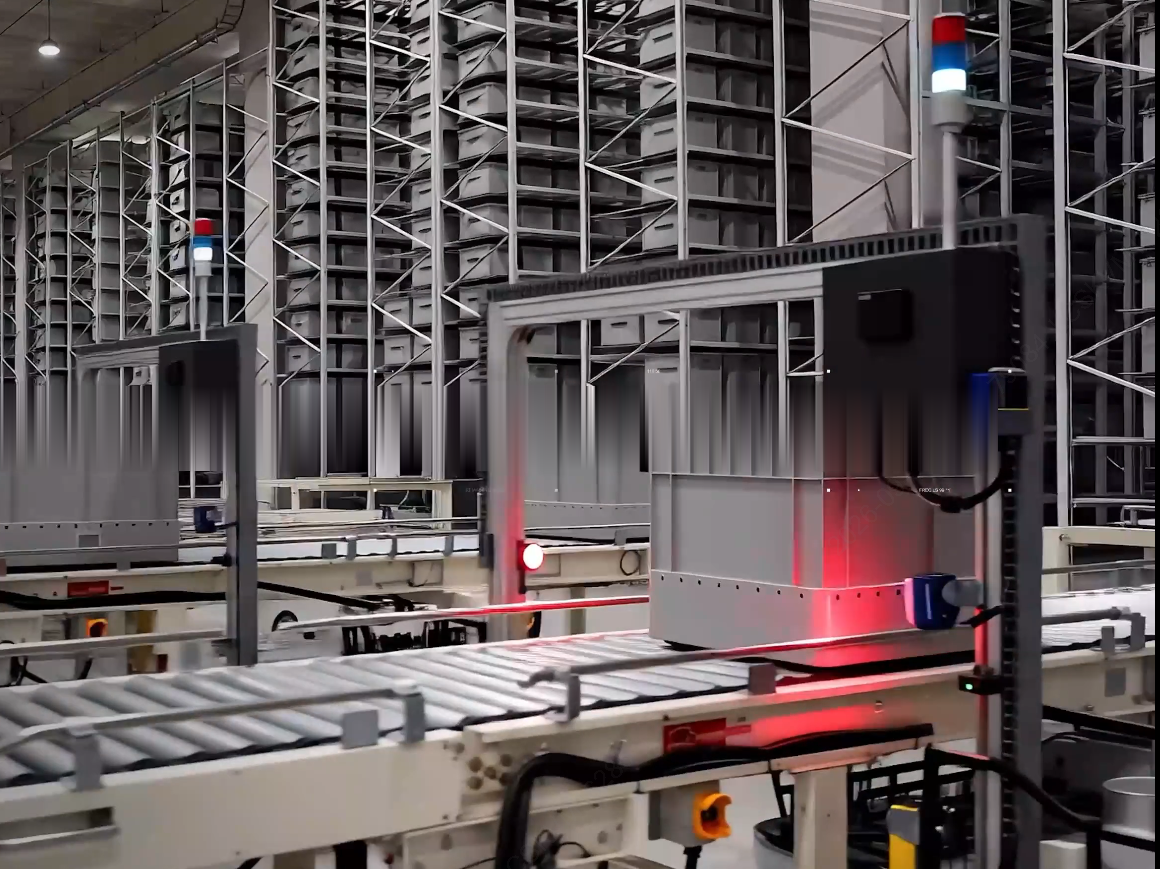
Conveyors and inspection gate in an automated logistics warehouse
HOME/05 Production Equipment/Equipment Concept Design
Production Equipment

Equipment Concept Design

Automation consulting to secure a concrete factory automation blueprint

WHY

Why Is It Needed?

"When planning a new factory, it's hard to decide which areas to change first for the best investment return." "We don't know which processes can be automated or unmanned."

01 Labor cost burden from aging equipment and heavy reliance on manual labor
02 Lower quality stability and productivity due to skill-level variation
03 Difficulty optimizing operations due to a lack of data

WHERE

Where Is It Used?

Target industries: displays, semiconductors, and manufacturing overall
Target Customers
Companies reviewing automation investment direction ahead of new factory/line construction or expansion Manufacturers needing productivity and quality improvements due to aging equipment and heavy reliance on manual labor
KEY CAPABILITIES

Key Capabilities

01 Current-State Analysis
Collect basic design data Analyze equipment status and logistics flow (by factory, product, line, and process)
02 Derive Improvement Direction
Select products/processes for automation Define design direction and conditions Review layout changes
03 Automation Concept Design
Automation concept and layout design Define equipment specifications Calculate investment costs and analyze expected benefits
04 Simulation Verification
Develop simulation model Verify to-be automation through simulation
MODULES

Key Outputs

Equipment operation scenarios
Equipment specification document
Equipment communication specification
Phased implementation plan
Full Automation requirements document
IMPACT

Benefits

01
Secure differentiated smart factory competitiveness Automation-based operating model stabilizes quality and reduces labor costs A framework that flexibly handles future expansion (line expansion, operational changes)
02
Clearer investment decisions Secure an execution roadmap for the right solutions and equipment Investment priorities, ROI, and expected benefits shorten decision-making lead time
03
Resolve operational uncertainty and minimize trial and error Extensive manufacturing know-how reduces post-implementation operational uncertainty A unified factory-wide blueprint minimizes duplicate investment, on-site mismatches, and communication loss between teams
WHY LG CNS

Why LG CNS

01 AX/RX-based concept design

Based on AX/RX technology, analyzes equipment automation levels and operating data to design a next-generation automation concept optimized for productivity and quality.

02 Systematic smart factory blueprint

Goes beyond setting a direction, specifying equipment concept specifications, design drawings, and operating scenarios along with investment costs and expected benefits. Provides a phased implementation plan for actual build-out and future expansion.

03 References across diverse manufacturing sites

Drawing on experience at diverse manufacturing sites and equipment operations, designs an automation blueprint that integrates equipment, systems, and operations rather than being limited to individual equipment or processes.

REFERENCE

References

Move to top